Book Appointment Now

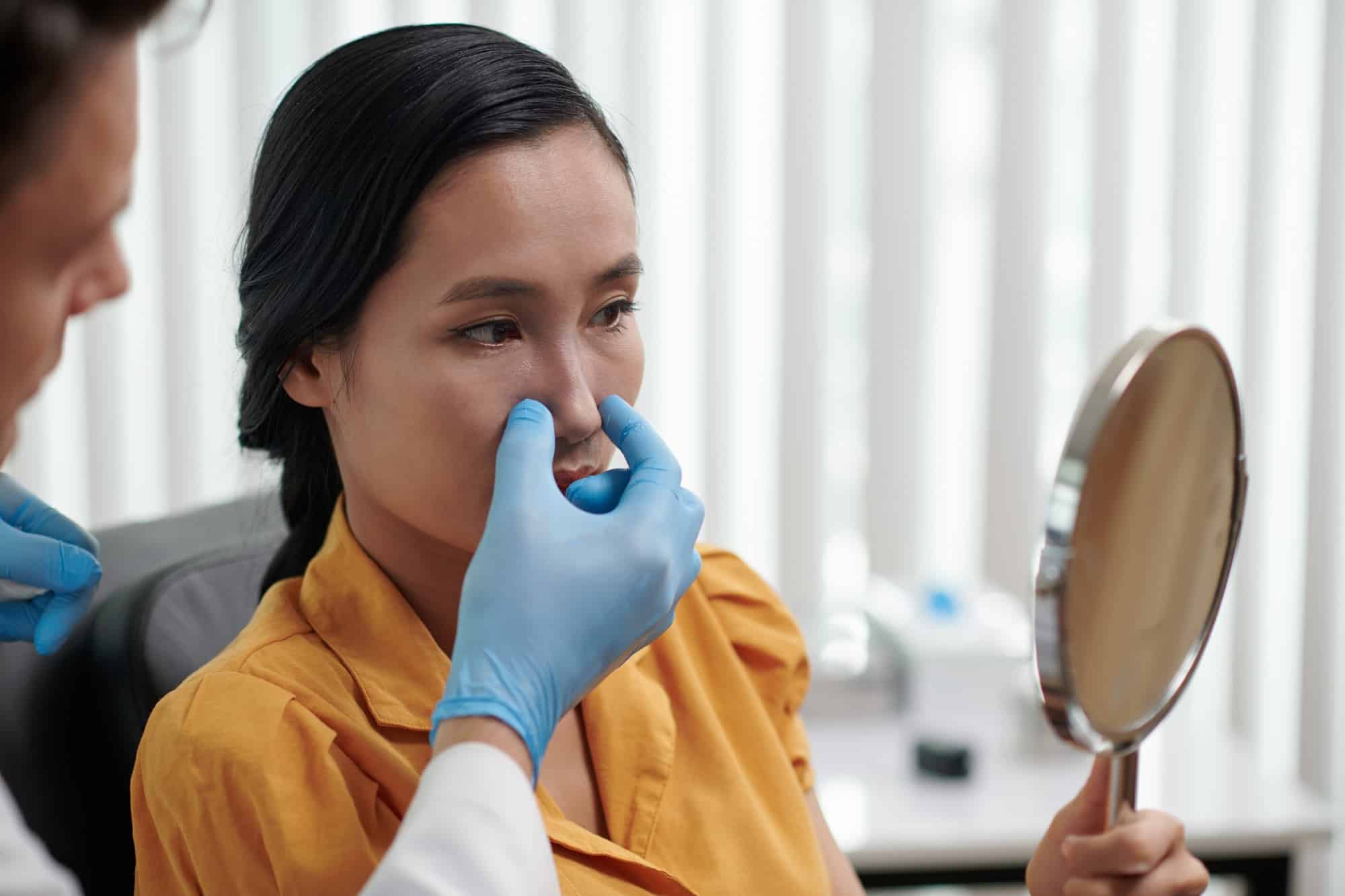
Curved Nose Aesthetic Surgery

Curved Nose Aesthetic Surgery
1. Introduction
Curved nose aesthetic surgery is a procedure designed for individuals who are dissatisfied with the appearance of their nose and seek to correct the shape through surgical intervention. This aesthetic operation is one of the most commonly performed procedures in the field of rhinoplasty. Its primary goal is to correct unwanted curvature or a curved appearance of the nose, based on the patient\’s wishes. This surgical intervention not only improves the physical appearance of the nose but also has a positive psychological effect by boosting the patient\’s self-confidence, making it an important aspect of aesthetic surgery.
1.1. What is Curved Nose Aesthetic Surgery?
Curved nose aesthetic surgery encompasses procedures aimed at correcting noses that deviate from their natural shape due to causes such as accidental fractures or genetic factors that result in a curved appearance. The aim of this surgery is to correct the curved shape of the nose and create a more symmetrical profile. In addition to its physical benefits, curved nose surgery plays a role in enhancing the patient\’s psychological well-being by increasing self-confidence.
1.2. Purpose and Importance
The purpose of curved nose aesthetic surgery is to correct the curved appearance of the nose and provide a more symmetrical and aesthetically pleasing look. The significance of this surgical intervention lies in its ability to address self-esteem issues caused by an unsatisfactory nose shape, ultimately resulting in a physically and psychologically improved outcome for the patient.
2. Anatomical and Aesthetic Evaluation
The anatomical and aesthetic evaluation of the nose involves assessing the structure and aesthetic features of the nose. This evaluation includes examining the bone and cartilage structure, the overall proportions of the nose, profile appearance, nasal tip, and alar base width. It also takes into account the angles of the nose, the smoothness of the nasal bridge, and the nose\’s harmony with the face. Aesthetic evaluation is crucial for assessing symmetry and facial harmony and determining which aesthetic issues need to be addressed during the surgical procedure.
2.1. Nasal Anatomy
Nasal anatomy refers to the internal and external structures of the nose. The nose is composed of bone, cartilage, skin, and soft tissues. The upper part of the nose begins with bone and continues with cartilage. Structures such as the nasal bridge, nostrils, alar base, nasal tip, and septum are all closely examined. The internal structure of the nose, its respiratory function, and its impact on nasal airflow are also part of the anatomical evaluation. A comprehensive understanding of these structures enables the surgeon to achieve the desired shape and proportions during rhinoplasty.
2.2. Nasal Aesthetic Evaluation
Nasal aesthetic evaluation involves a detailed examination of the aesthetic concerns and the need for surgical intervention. The evaluation considers the patient’s general health status, personal preferences, and aesthetic expectations. It helps identify the aesthetic issues with the nose and determine whether surgical intervention is required, as well as which techniques should be used during the procedure. Proper aesthetic evaluation is crucial for ensuring the success of the rhinoplasty procedure.
3. What is a Curved Nose Like?
A curved nose is typically characterized by a bend or a bump in the bone and cartilage structure. This condition can affect the overall appearance of the nose and create an image that may not harmonize well with the other features of the face. A curved nose is often visible as a curve or bump in the upper part of the nose, and sometimes, there may be a slight tilt at the nasal tip. This condition can affect the balance of the face and may be aesthetically displeasing for some individuals.
3.1. How Does a Curved Nose Affect the Face?
A curved nose can have a significant impact on the balance of the face, often creating an aesthetic discomfort. An angled or bumpy nose tends to draw attention away from other facial features, preventing the face\’s natural contours from being fully visible. This misalignment can affect an individual\’s self-confidence and potentially cause social discomfort, as the person may feel self-conscious about the appearance of their nose.
3.2. What Surgical Interventions Are Used to Correct a Curved Nose?
To correct a curved nose, surgical interventions are typically carried out through revision rhinoplasty (nose aesthetic surgery). During rhinoplasty, the bone and cartilage structures of the nose are reshaped to correct the curvature. The aim of the procedure is to create a nose shape that aligns with the patient’s facial structure. Depending on the individual’s specific needs, various surgical techniques may be employed to achieve the desired outcome.
4. How to Choose the Right Approach for Correcting a Curved Nose?
When deciding on correcting a curved nose, the first step is to thoroughly understand the structure of the nose. Therefore, a surgeon must carefully examine the patient’s nasal anatomy and facial structure. After this initial assessment, the most appropriate surgical approach for correcting the curved nose is determined, taking into account the patient’s personal preferences and expectations. Additionally, factors such as the patient’s overall health, tissue quality, and the condition of the cartilage and bone in the nose are crucial in deciding the best approach. This ensures that the surgery plan is tailored to the individual for the most effective outcome.
5. Frequently Asked Questions
Among the most frequently asked questions about curved nose aesthetic surgery is how long the operation takes and what the recovery process will be like. Typically, this procedure takes between 1 and 3 hours, and depending on the patient’s condition, it is often possible to return to normal activities within a week. Additionally, questions regarding the techniques used in the operation, possible risks, and post-operative care are common.
5.1. Frequently Asked Questions About Curved Nose Aesthetic Surgery
Some of the common questions related to curved nose aesthetic surgery include concerns about how the nose will look after the procedure, whether there will be scarring, the level of pain or discomfort, post-operative dietary habits, and lifestyle changes after the surgery. Patients often wonder if the result will be a natural and balanced nose, and they also seek detailed information about potential incision marks or changes in the shape of the nose after the surgery.