Book Appointment Now

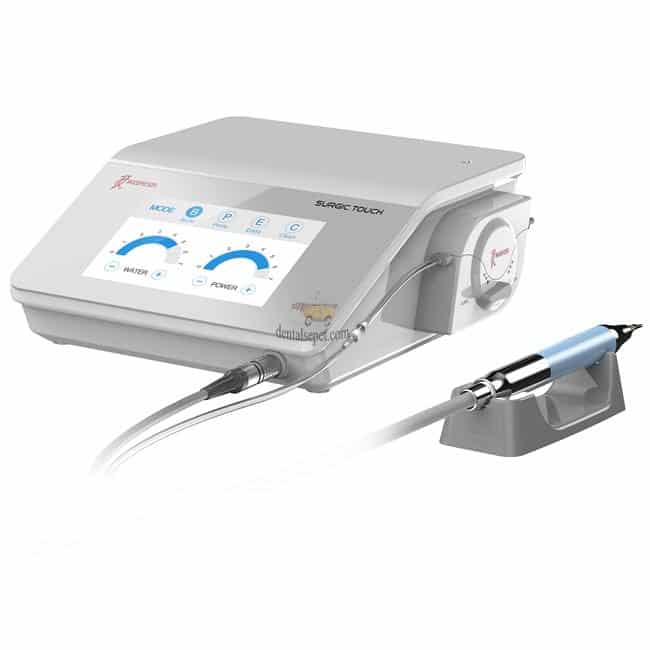
Piezo Rhinoplasty (Ultrasonic Rhinoplasty)

Piezo Rhinoplasty (Ultrasonic Rhinoplasty)
1. Introduction
Piezo Rhinoplasty is a technique used in nasal aesthetic surgeries. Unlike the traditional surgical tools used in rhinoplasty, piezo technology uses ultrasonic vibrations to cut bone and cartilage. This method provides a precise approach and helps minimize damage to the nasal tissues. The aim of this study is to examine the techniques and applications of piezo rhinoplasty in detail and evaluate the impact of these techniques on surgical outcomes.
1.1. What is Piezo Rhinoplasty?
Piezo rhinoplasty is a technique used for performing nasal aesthetic surgeries using ultrasonic vibrations. In this technique, piezo technology is used instead of traditional surgical tools. The ultrasonic vibrations enable the delicate cutting and shaping of bone and cartilage tissues. This allows for a more controlled and minimally invasive approach to performing nasal aesthetic surgeries.
1.2. Purpose and Importance
The purpose of this study is to introduce the techniques of piezo rhinoplasty and explore the advantages and disadvantages these techniques provide in nasal aesthetic surgeries. The importance and effects of using piezo technology in nasal aesthetic procedures will be emphasized. Additionally, the comparison of these techniques with other methods and a detailed examination of the postoperative care processes for patients will be covered.
2. Piezo Technology
Piezo technology is a type of device that performs cutting operations using ultrasonic vibrations. This technology provides a more precise cut compared to traditional surgical tools. It also minimizes damage to tissues and reduces bleeding during the operation. As a result, the recovery process is faster, and patient discomfort is minimized.
2.1. Piezo Electric Devices
Piezoelectric devices are specialized instruments that convert electrical energy into ultrasonic vibrations. These devices enable the precise processing of bone and cartilage tissues during nasal aesthetic surgeries. This allows the surgeon to use a more controllable method to achieve the desired nasal shape and appearance.
2.2. Usage in Piezo Rhinoplasty
Piezo technology is used during nasal aesthetic surgeries to delicately correct and reshape bone and cartilage structures. Compared to traditional surgical tools, piezo rhinoplasty is less invasive, allowing patients to experience a faster recovery process. Additionally, with this technique, the desired aesthetic results for the nose can be more natural and permanent.
3. Piezo Rhinoplasty Surgery
Piezo rhinoplasty surgery includes determining whether the patient\’s nasal structure is suitable for the desired outcome and planning the operation. As this surgery typically requires a surgical procedure, it is performed by a specialist plastic surgeon. By utilizing the advantages of piezo technology, the operation is planned and performed based on the evaluation of the patient\’s requests and nasal structure.
3.1. Patient Evaluation
Before the piezo rhinoplasty surgery, the patient must be thoroughly evaluated. The patient\’s nasal structure, skin characteristics, respiratory problems, and aesthetic expectations are considered to decide whether the patient is suitable for the surgery. During this evaluation, the patient’s medical history, allergy status, and any medication use are also carefully examined.
3.2. Surgical Techniques
Unlike traditional surgical techniques, piezo rhinoplasty surgery is performed using ultrasonic waves. Thanks to piezo technology, the nasal shaping process can be done more precisely and with greater control. In this surgery, steps such as cutting and shaping the nasal bone and correcting the nasal tip are performed using ultrasonic energy. This results in less bruising and swelling post-surgery.
4. Advantages and Disadvantages of Piezo Rhinoplasty
Piezo rhinoplasty offers many advantages over traditional nasal aesthetic methods. These advantages include less tissue damage, reduced bleeding, minimal bruising and swelling, faster recovery time, and achieving a more natural result. Additionally, since nasal bones and cartilage can be shaped more precisely with piezo technology, doctors can perform more detailed and precise procedures.
4.1. Advantages
The advantages of piezo rhinoplasty include less tissue damage, reduced bleeding, minimal bruising and swelling, faster recovery, and more natural results. These benefits allow patients to experience less pain, feel less discomfort post-surgery, and return to their social lives more quickly. Additionally, because piezo technology allows for more detailed and precise procedures, the results of rhinoplasty are generally more successful and satisfying.
4.2. Disadvantages
The disadvantages of piezo rhinoplasty include potentially longer surgery times compared to traditional methods, the need for specialized equipment and surgeons with specific technical expertise, and in some cases, a higher cost than other methods. Moreover, as with any surgical procedure, piezo technology comes with certain potential risks and complications.
5. Comparison of Piezo Rhinoplasty with Other Methods
Piezo rhinoplasty differs in several ways when compared to traditional rhinoplasty techniques. Firstly, since piezo rhinoplasty is performed using ultrasonic technology, the surgeon does not need to cut the nasal bones, which results in less bruising and swelling. Another difference is that piezo rhinoplasty is more precise, allowing the surgeon to shape the nasal tissues more carefully. Additionally, there is a higher likelihood of less bleeding compared to other rhinoplasty methods. However, piezo rhinoplasty may take longer and, in some cases, could be more costly. Moreover, the outcomes can vary depending on the surgeon\’s experience.
6. Post-Operative Care and Recovery Process for Piezo Rhinoplasty
After piezo rhinoplasty surgery, it is normal for patients to experience mild swelling, bruising, and sensitivity in the nasal area. The most important aspect of post-surgery care is following the doctor\’s recommendations for cleaning and caring for the nasal area. While the recovery process varies from patient to patient, most individuals can return to their daily activities within 1-2 weeks. Patients should regularly apply ice as recommended by the doctor to reduce bruising and swelling. Additionally, taking antibiotics, pain relievers, and anti-swelling medications according to the doctor\’s instructions positively influences the recovery process.
7. Price of Piezo Rhinoplasty
The cost of piezo rhinoplasty surgeries typically varies based on the patient\’s needs and the techniques used. The price is determined by factors such as the patient\’s nasal structure, desires, and the surgeon\’s experience. Additionally, factors like the location of the hospital, choice of patient room, and type of anesthesia can also influence the price. To get accurate information regarding the cost of piezo rhinoplasty, it is important to have a detailed consultation with your doctor.
8. Who Performs Piezo Rhinoplasty in Antalya?
There are many experienced doctors in Antalya who perform piezo rhinoplasty. All of these doctors are highly skilled and have the necessary knowledge and experience to meet patients\’ expectations. Therefore, individuals who are considering piezo rhinoplasty should take factors such as the doctor\’s specialization, experience, hospital conditions, patient satisfaction, and post-operative follow-up into account when choosing a doctor. In Antalya, piezo rhinoplasty is performed by Otolaryngologist and Aesthetic Facial Surgeon Op. Dr. Tolga Oğuzhan.