Book Appointment Now

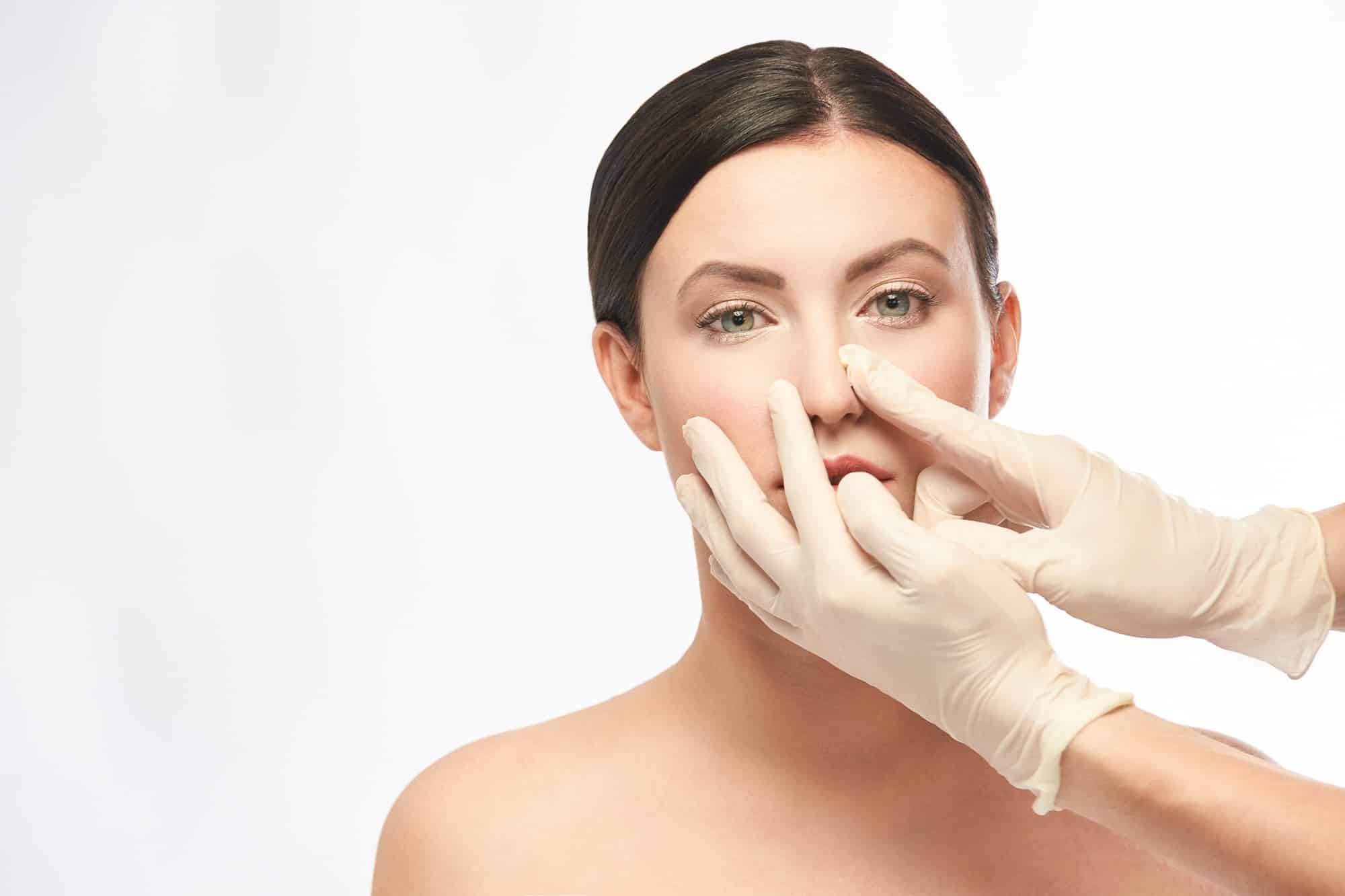
closed rhinoplasty

Closed Rhinoplasty: Definition, Procedure, and Recovery Process
Introduction
In this study, you will find detailed information about the definition, procedure, and recovery process of closed rhinoplasty. Closed rhinoplasty is a type of nasal aesthetic surgery, typically performed to alter the shape and size of the nose. The surgery is carried out to correct various imperfections of the nose and to help the patient feel more satisfied with its appearance.
1.1. What is Closed Rhinoplasty?
Closed rhinoplasty is a type of nose surgery in which all surgical incisions are made inside the nostrils, leaving no visible external scars. This technique is commonly used to reshape or resize the nose, correct structural issues, and improve overall nasal aesthetics. Because there are no external cuts, closed rhinoplasty often results in a quicker recovery and less swelling compared to open rhinoplasty.
1.2. Reasons for Undergoing Closed Rhinoplasty
One of the main reasons for undergoing closed rhinoplasty is dissatisfaction with the shape of the nose. Congenital or acquired deformities of the nose can be corrected through nasal aesthetic surgery. Additionally, closed rhinoplasty may be preferred to address issues that cause nasal obstruction. Conditions such as a broken nasal bone, internal nasal deviations, or enlarged adenoids are among the situations that may require surgery.
2. How Is Closed Rhinoplasty Performed?
Closed rhinoplasty is typically performed under general anesthesia. During the operation, the surgeon makes small incisions inside the nose to reshape the nasal bones and cartilage. Endoscopic instruments are used during the procedure to enhance precision and improve the quality of the surgery, as well as to speed up the recovery process. The most distinctive feature of closed rhinoplasty is that there are no external incisions made on the nose.
2.1. Pre-Surgery Preparation Process
Before closed rhinoplasty, patients need to make certain preparations. These include stopping smoking and alcohol consumption for the period recommended by the doctor, undergoing necessary blood tests and medical examinations, and obtaining the required medications for post-surgery care. Additionally, it is important for patients to have a detailed consultation with their surgeon to gather information about the operation’s specifics and set clear expectations.
2.2. Surgical Techniques and Stages
Closed rhinoplasty involves several different techniques and stages. These may include procedures such as correcting the nasal bone by fracturing it, lifting the nasal tip, placing cartilage grafts, and reducing the size of the nostrils. Since each patient is unique, surgeons plan these techniques and stages according to the specific needs of the patient. Therefore, each surgery is performed with a customized plan tailored to the patient\’s requirements.
3. Recovery and Care After Closed Rhinoplasty
The recovery process after closed rhinoplasty typically takes between 1 to 2 weeks. Since the recovery period can vary from person to person, it is difficult to specify an exact recovery time. However, it is common for patients to experience bruising and swelling immediately after the surgery, with these symptoms gradually diminishing in the first few days. During the recovery and care process, it is very important to follow your doctor\’s recommended instructions. Adhering to these guidelines is crucial in minimizing risks such as bleeding, infection, and poor healing.
3.1. How Many Days Does It Take to Recover After Closed Rhinoplasty?
The recovery time after closed rhinoplasty varies from person to person but typically occurs within 1 to 2 weeks. In the first few days after surgery, bruising and swelling may occur, but these symptoms will decrease over time. However, the full recovery period may vary depending on the patient\’s overall health, the complexity of the surgery, and the structure of the nose. Carefully following your doctor\’s post-operative instructions will speed up the recovery process and ensure a healthy healing experience.
3.2. Recovery Process and Expected Results
The recovery process after closed rhinoplasty typically begins with bruising and swelling within the first few days. However, these symptoms will gradually decrease, and the recovery will progress over time. Expected results may include noticeable improvements in nasal aesthetics, a more symmetrical nasal structure, and enhanced breathing function. However, since each patient\’s recovery process is different, the expected results can vary from person to person. Therefore, it is essential to consult with your doctor before the surgery to get detailed information about the recovery process and the expected outcomes.
4. Frequently Asked Questions About Closed Rhinoplasty
One of the most frequently asked questions about closed rhinoplasty is how long the surgery lasts. Generally, the surgery takes between 1 to 2 hours. However, the duration may vary depending on the individual\’s nasal structure, the complexity of the surgery, and the surgeon\’s experience. Therefore, it is best to discuss the exact duration with your surgeon.
4.1. How Long Does Closed Rhinoplasty Take?
Closed rhinoplasty typically lasts between 1 to 2 hours. However, the duration can vary depending on the individual\’s nasal structure, the complexity of the surgery, and the surgeon\’s experience. Therefore, the best approach is to consult with your surgeon to learn the exact duration of the surgery.
4.2. Pain and Discomfort After Closed Rhinoplasty
Pain and discomfort following closed rhinoplasty are normal. However, this can vary from person to person. You can relieve the discomfort by taking the pain medications prescribed by your surgeon. Additionally, swelling and bruising are also common results and will subside over time. Sufficient rest and following your doctor’s recommended care instructions can help minimize the discomfort during the recovery period.
4.3. Costs and Prices of Closed Rhinoplasty
The prices for closed rhinoplasty can vary depending on factors such as the surgeon\’s experience, the location of the hospital, and the complexity of the surgery. Therefore, providing a fixed price can be difficult. However, you can contact your hospital or clinic before the surgery to get detailed information and a clearer idea of the costs.
5. Difference Between Closed and Open Rhinoplasty
The main difference between closed rhinoplasty and open rhinoplasty lies in the incision points used to access the nasal tissues during surgery. In closed rhinoplasty, the incisions are made inside the nostrils, while in open rhinoplasty, a small incision is also made under the nasal tip to provide access. As a result, closed rhinoplasty typically leaves fewer scars and offers a faster recovery. On the other hand, open rhinoplasty provides broader access to the tissues. Both methods have their advantages and disadvantages, so it is important to determine which method is most suitable for your situation based on your doctor\’s recommendation.
6. Closed Rhinoplasty Reviews and Experiences
The reviews and experiences of individuals who have undergone closed rhinoplasty can be an important reference for potential patients. These reviews can help provide insights into the results of the surgery, the recovery process, post-operative experiences, and doctor-patient communication. Learning about the experiences of others before and after surgery can help assess whether the surgery meets expectations. Therefore, people considering closed rhinoplasty can make a more informed decision by reading reviews from various sources.